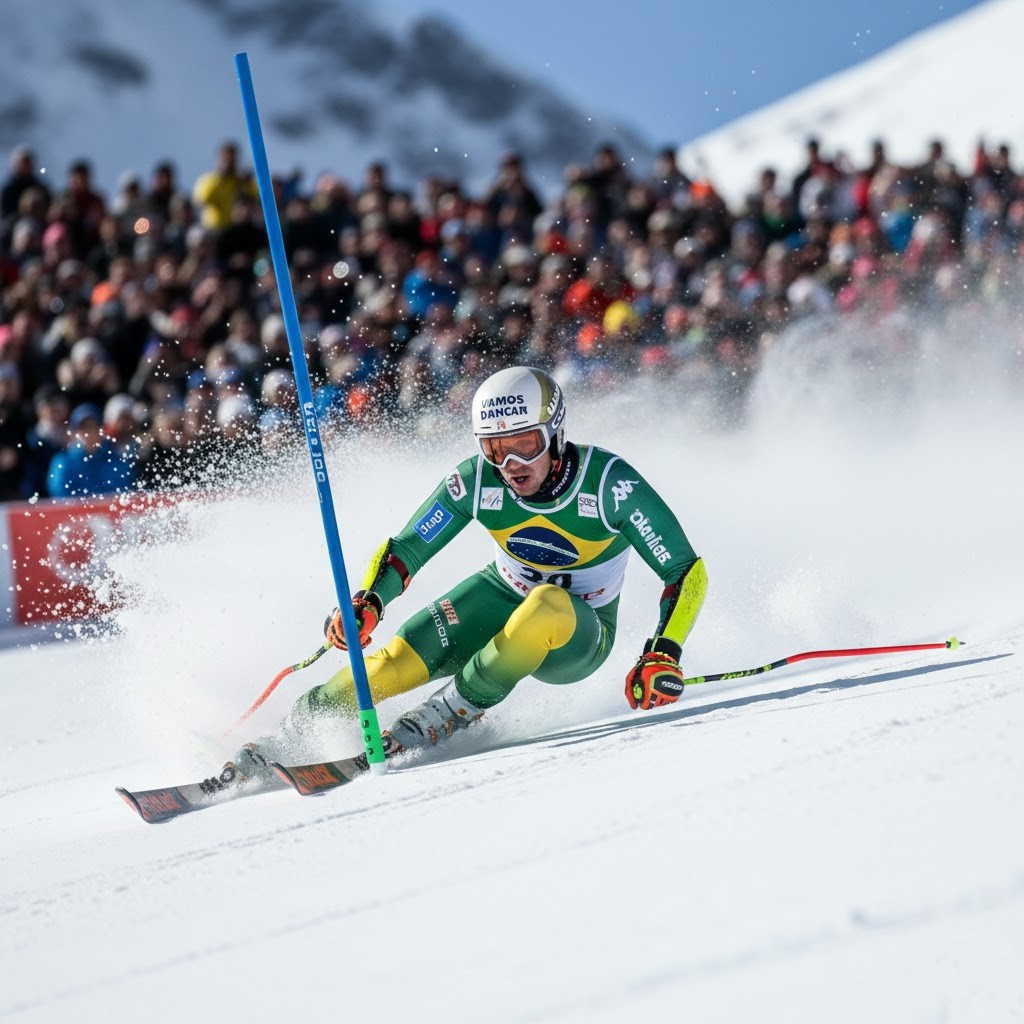
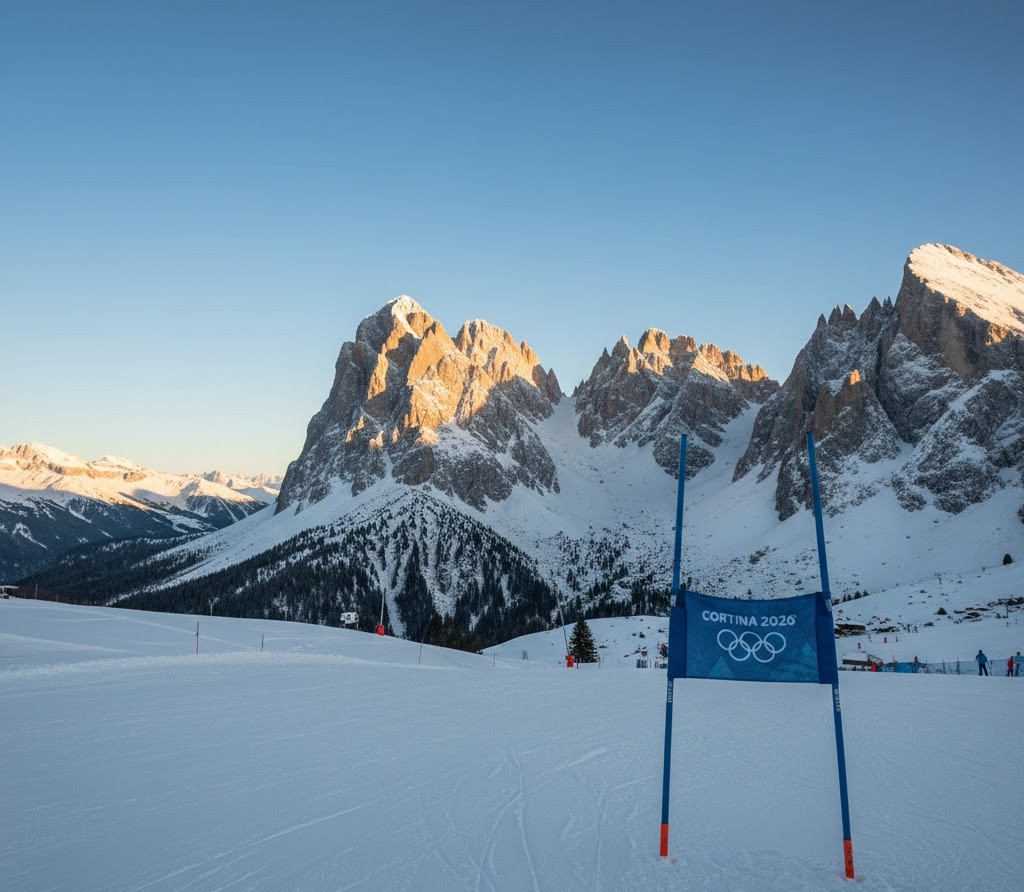
The Milano Cortina 2026 Winter Olympics have officially redefined the limits of alpine skiing. As the Games returned to their spiritual European heartland, the slopes of Bormio and Cortina d’Ampezzo became the stage for history-shattering performances, emotional redemptions, and the emergence of a new global order in winter sports.
From the brutal, icy stretches of the Stelvio to the sun-drenched “Queen of Runs” at Tofane, here is the definitive breakdown of the 2026 Alpine Skiing events that have captivated the world.
The Historic Upset: Lucas Pinheiro Braathen’s “Vamos Dancar” Gold
On February 14, 2026, the geopolitical map of winter sports was redrawn. Lucas Pinheiro Braathen, representing Brazil, secured a historic gold medal in the Men’s Giant Slalom, marking the first-ever Winter Olympic medal for a South American nation.
Braathen, who famously retired at 23 before returning under the Brazilian flag, delivered a tactical masterclass. Wearing bib No. 1, he exploited a pristine course to build a 0.95-second lead in the first run—the largest such margin in an Olympic GS since 1988. Despite thick fog and heavy snow in the second run, he held off defending champion Marco Odermatt to win with a combined time of 2:25.00.
Swiss Hegemony: The Franjo von Allmen Hat-Trick
While Brazil celebrated its first medal, Switzerland continued its traditional dominance through a new superstar. Franjo von Allmen emerged as the undisputed king of the Bormio slopes, capturing three gold medals in the Downhill, Super-G, and Team Combined.

Von Allmen’s performance in the Super-G was particularly clinical. On the notoriously punishing Stelvio track—often described as a “constant fight for survival”—he mastered the balance between raw aggression and aerodynamic precision, beating USA’s Ryan Cochran-Siegle by a narrow margin.
Fairytale in the Dolomites: Federica Brignone’s Recovery
In the women’s events at Cortina d’Ampezzo, 35-year-old Italian veteran Federica Brignone, known as “La Tigre,” authored one of the greatest comeback stories in Olympic history.
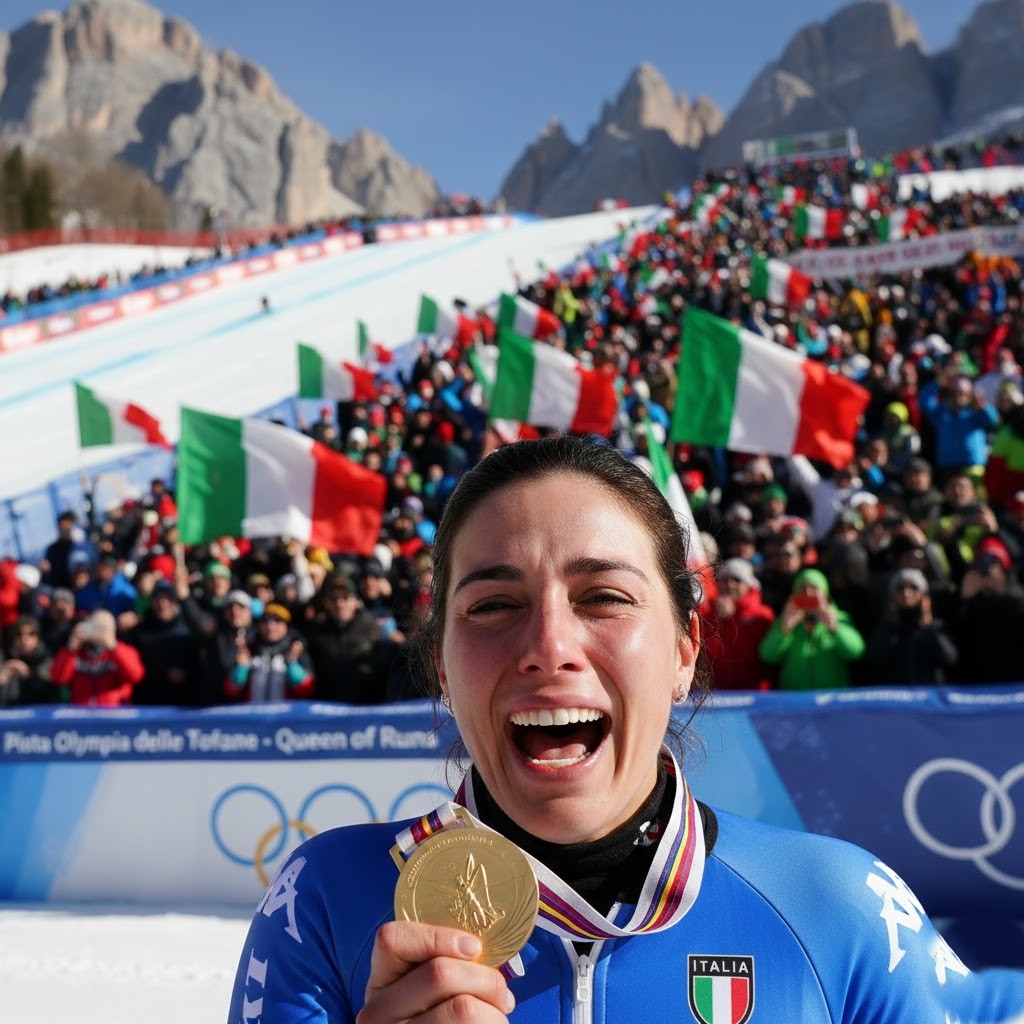
Recovering from a severe leg break in April 2025 that required two surgeries and ten months of grueling rehab, Brignone won gold in both the Super-G and the Giant Slalom. By winning the Giant Slalom on February 15, she became the oldest alpine gold medalist in history, finishing 0.62 seconds ahead of silver medalists Sara Hector (Sweden) and Thea Louise Stjernesund (Norway), who finished in a rare dead heat for second.
The Shiffrin Paradox: Perspective over Podiums
For Team USA’s Mikaela Shiffrin, the 2026 Games have been a journey of psychological resilience. After missing the podium in the Team Combined and finishing 11th in the Giant Slalom, Shiffrin remains optimistic.
Despite her 11th-place finish in the GS, she was only 0.3 seconds off the silver medalists, emphasizing that she is “trending in the right direction” and regaining her “intensity” following a traumatic 2024 crash. All eyes now turn to the Women’s Slalom on February 18, Shiffrin’s final chance to break her Olympic medal drought.